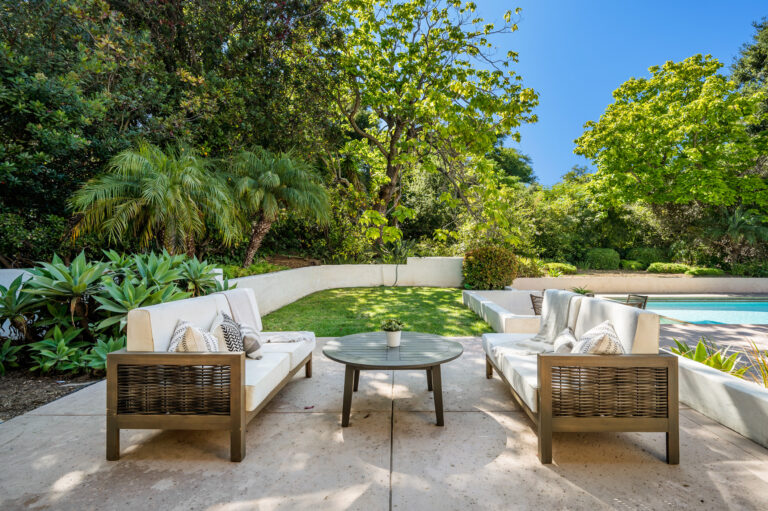
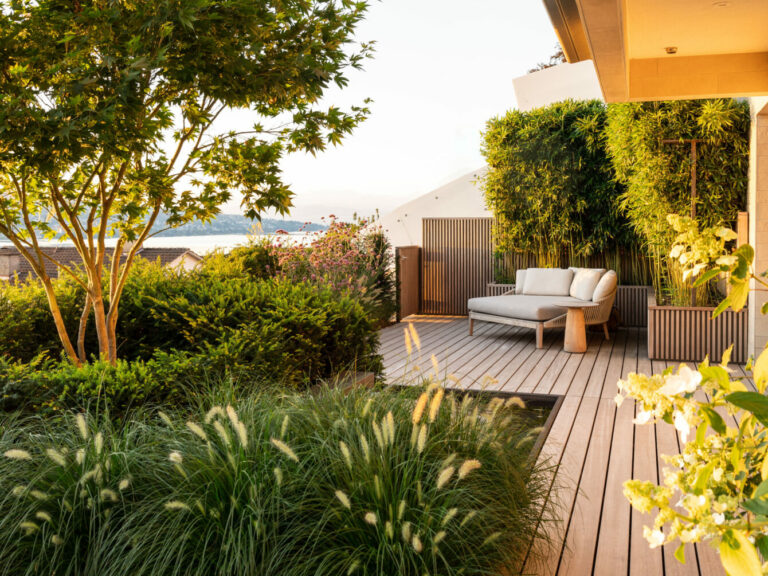
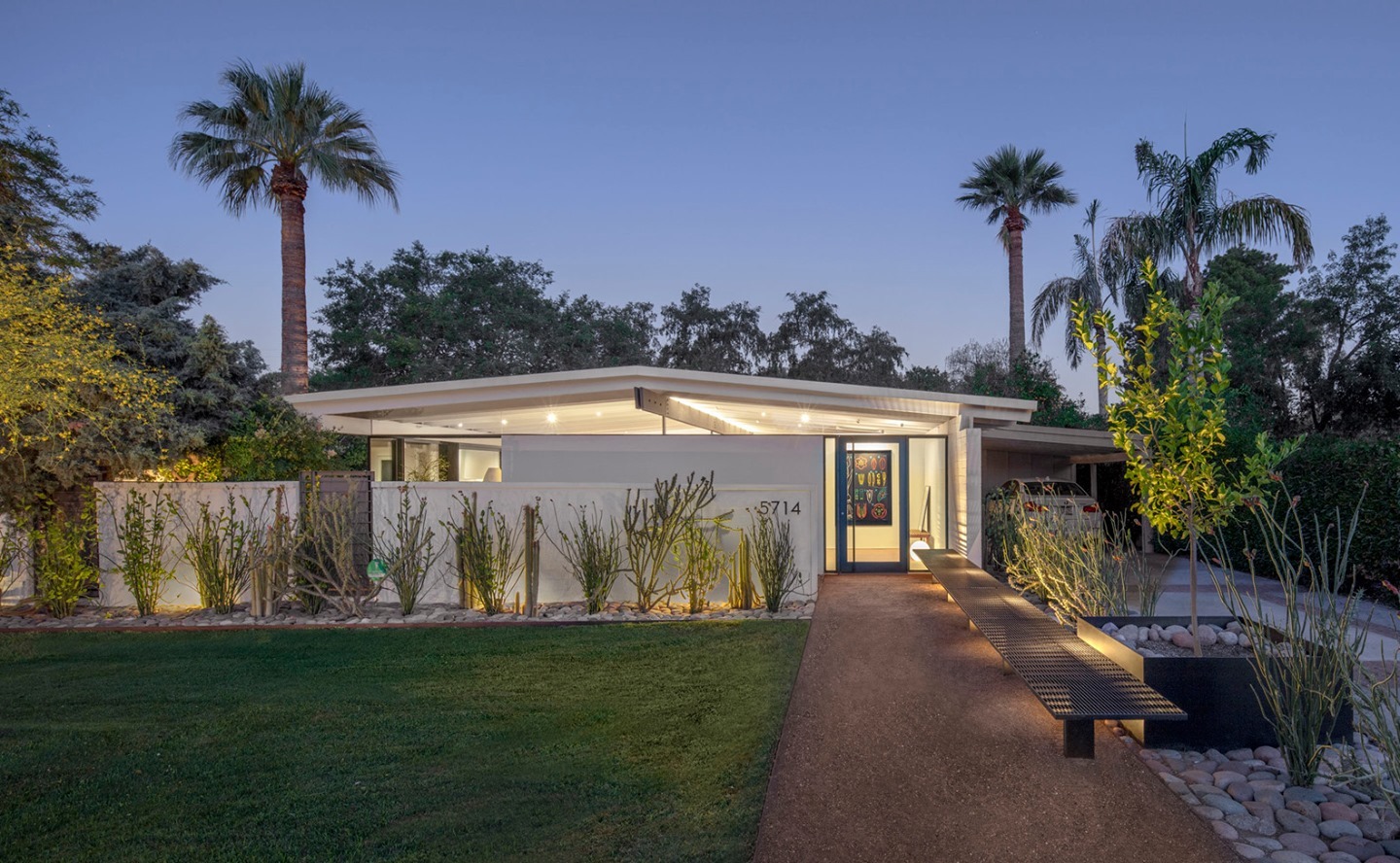
Patio accessories ideas are often what transform a simple outdoor space into a comfortable and well-designed extension of the home.
While hardscape elements such as pavers, decking, or stone terraces establish the structure of a patio, it is the accessories that introduce warmth, comfort, and personality. Designers think of these elements as the finishing layer that turns a patio into an outdoor room.
From textured outdoor rugs that define seating areas to sculptural planters that frame views and soften architecture, the right accessories help shape how a space is used and experienced. Lighting can extend evenings outdoors, while fire features, shade elements, and layered seating invite relaxation and conversation.
Whether you are designing a small courtyard patio or a larger backyard entertaining space, these patio accessories ideas offer practical ways to create a more functional, comfortable, and visually compelling outdoor living area.
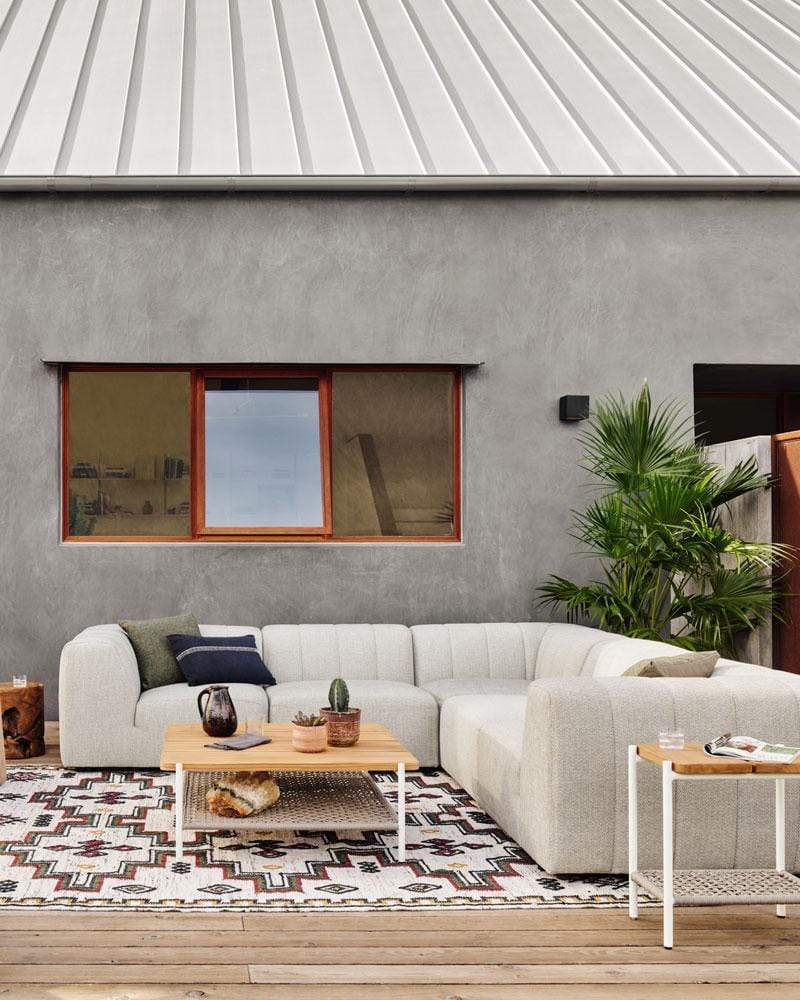
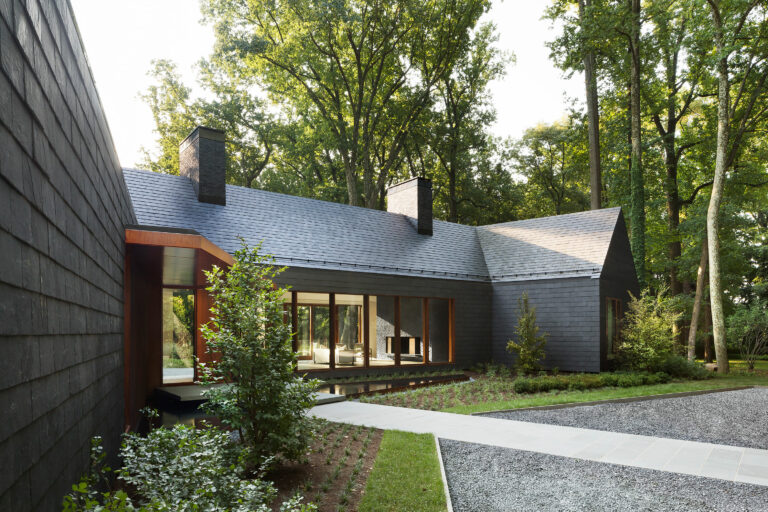
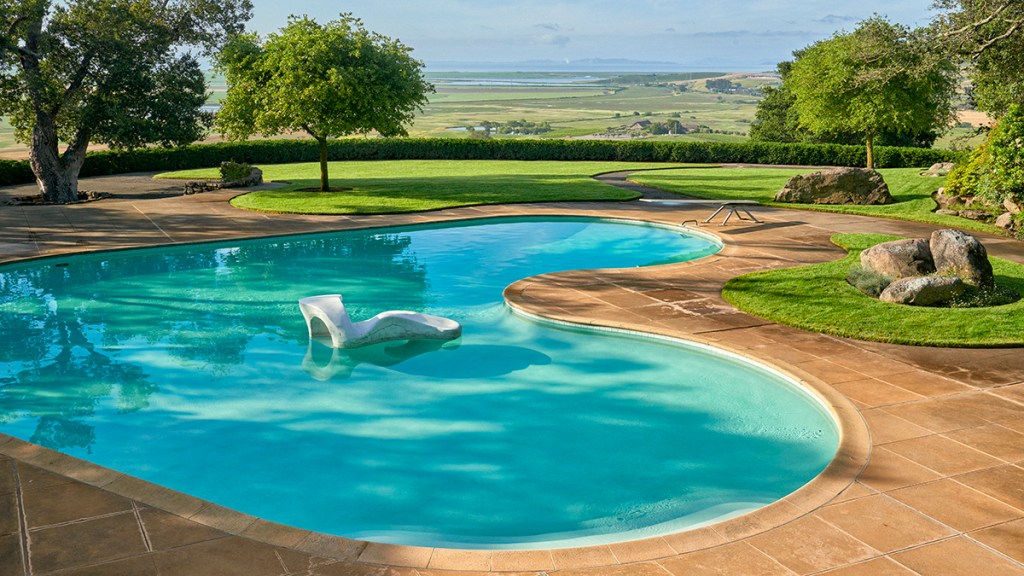
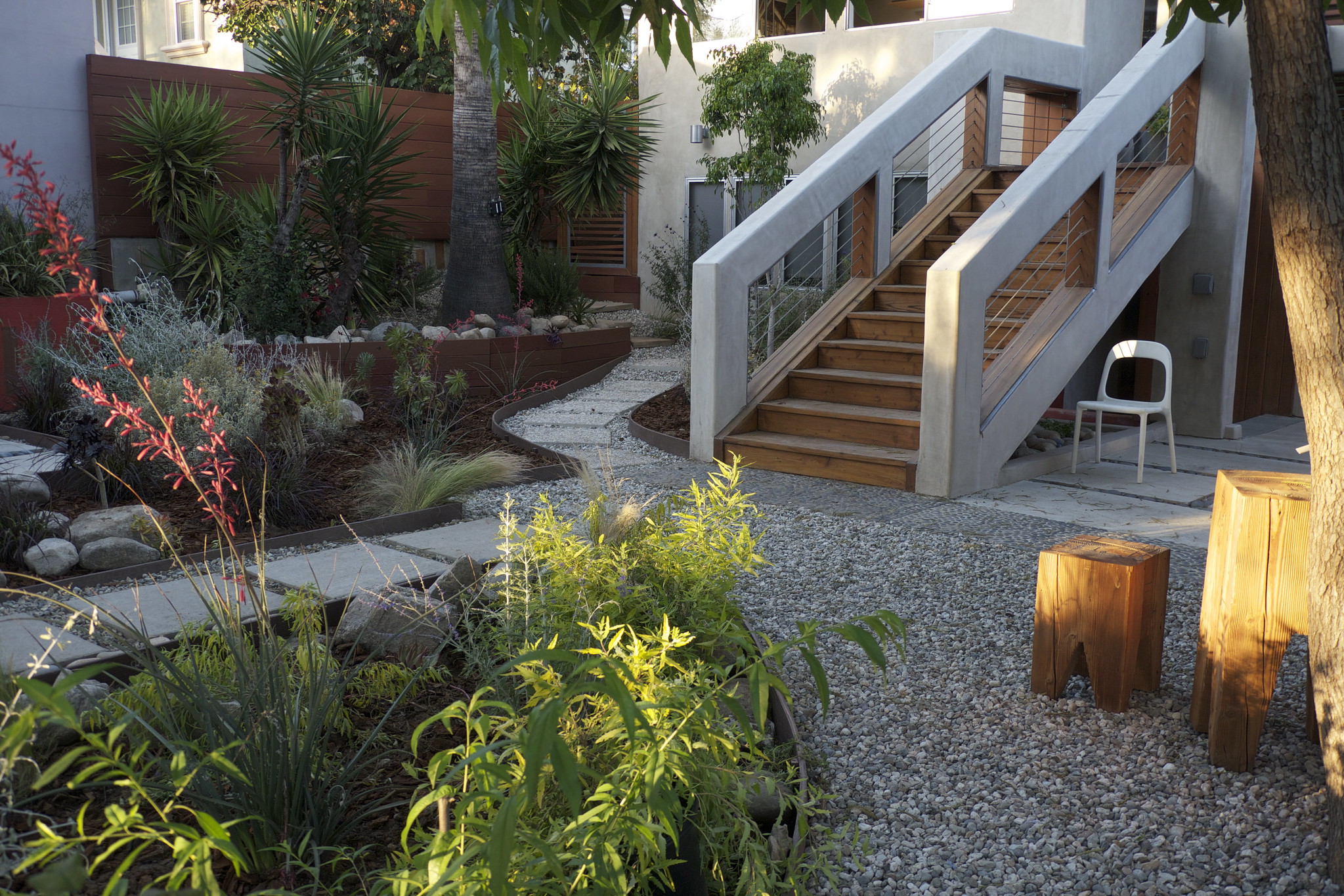
Image above: Architecture by Richard Beard Architects · Photography by Matthew Millman.
Why Patio Accessories Matter in Outdoor Design
In landscape design, patios are rarely treated as standalone surfaces. Instead, they function as outdoor rooms that extend the architecture of the house into the landscape. Accessories are the elements that complete these spaces, making them feel intentional rather than unfinished.
Designers typically layer accessories in a way that mirrors interior spaces. Soft elements such as textiles, rugs, and cushions soften hard materials like concrete or stone. Vertical features like planters and umbrellas introduce height and visual structure. Lighting and fire features extend usability into the evening hours, allowing patios to function well beyond daylight.
Accessories also help define zones within outdoor spaces. A rug and coffee table can create a lounge area, while a beverage cart or pizza oven can establish a social hub for entertaining. These smaller additions give a patio flexibility and character without requiring major structural changes.
For homeowners looking to improve an existing patio, accessories are often the easiest and most impactful way to elevate the space.
Foundation Patio Accessories That Define the Space
Every successful outdoor living space begins with a few foundational elements that visually organize the patio and connect it to the surrounding landscape. Designers often begin by introducing texture, greenery, and layered lighting to soften hard surfaces and create a sense of spatial structure. These foundational accessories establish the framework for how the patio will feel and function before furniture or entertainment elements are added.
Outdoor Rugs That Define a Room
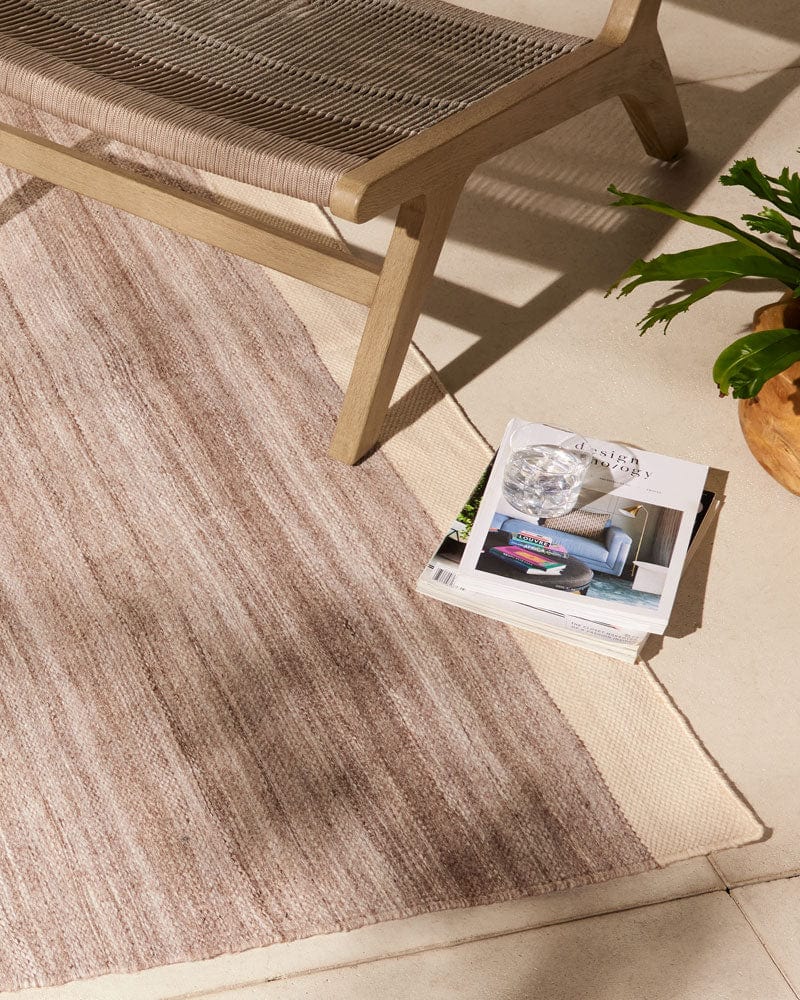
Outdoor rugs are one of the most effective ways to transform a patio from a simple paved surface into a defined outdoor room. Large rugs visually anchor seating arrangements while softening materials such as stone, brick, or concrete. Designers often select neutral woven textures or subtle geometric patterns that complement surrounding architecture. In addition to defining space, rugs add warmth and comfort underfoot, making outdoor seating areas feel more inviting and intentional.
Sculptural Planters That Frame the Space
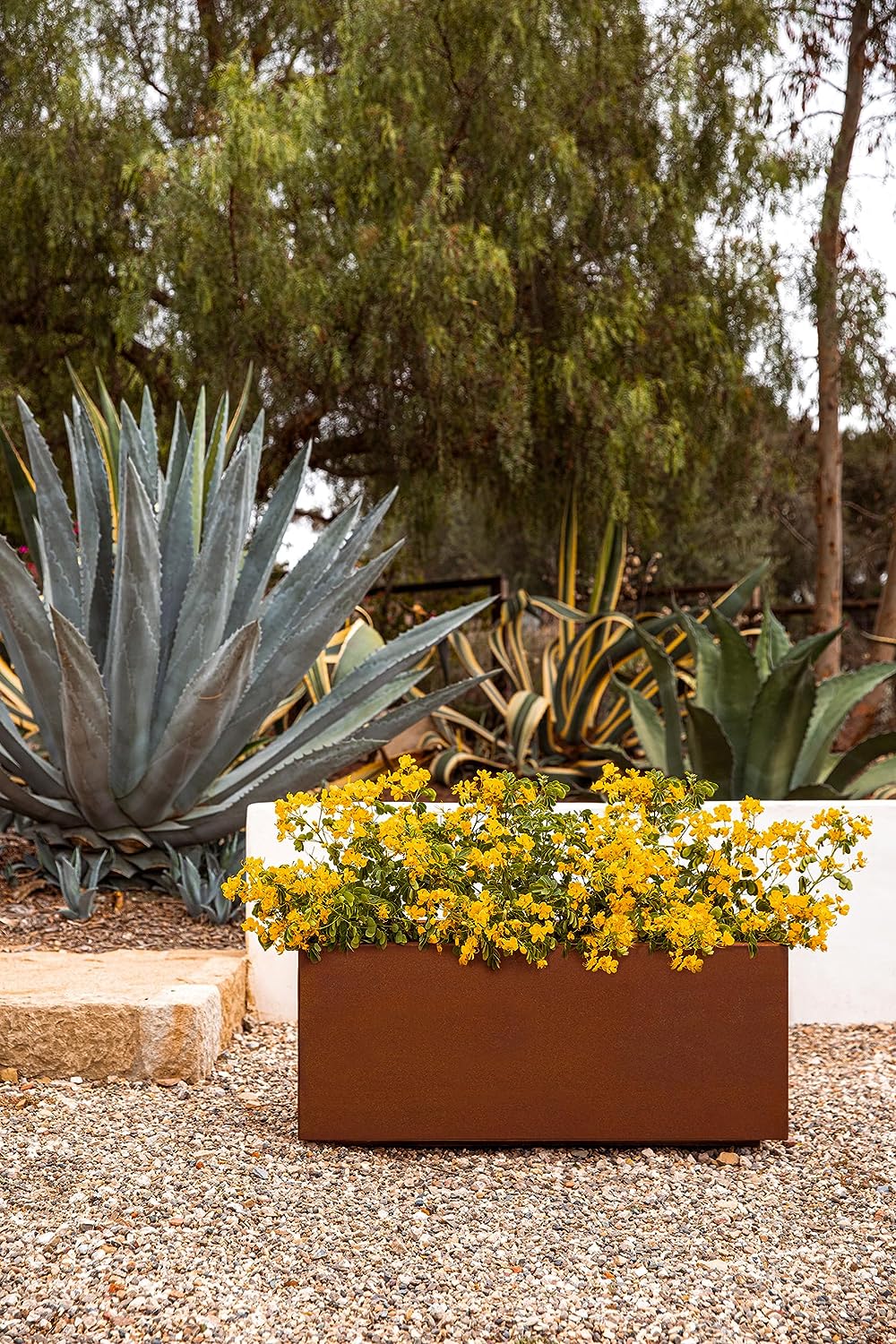
Architectural planters bring structure and greenery directly onto patios where garden beds may be limited. Designers often use large planters to frame seating areas, soften architectural edges, or introduce vertical planting near lounge spaces. Materials such as corten steel, stone, ceramic, or matte fiberglass create a sculptural presence that complements both contemporary and traditional homes. When thoughtfully placed, planters visually connect the patio to the surrounding landscape.
Layered Outdoor Lighting
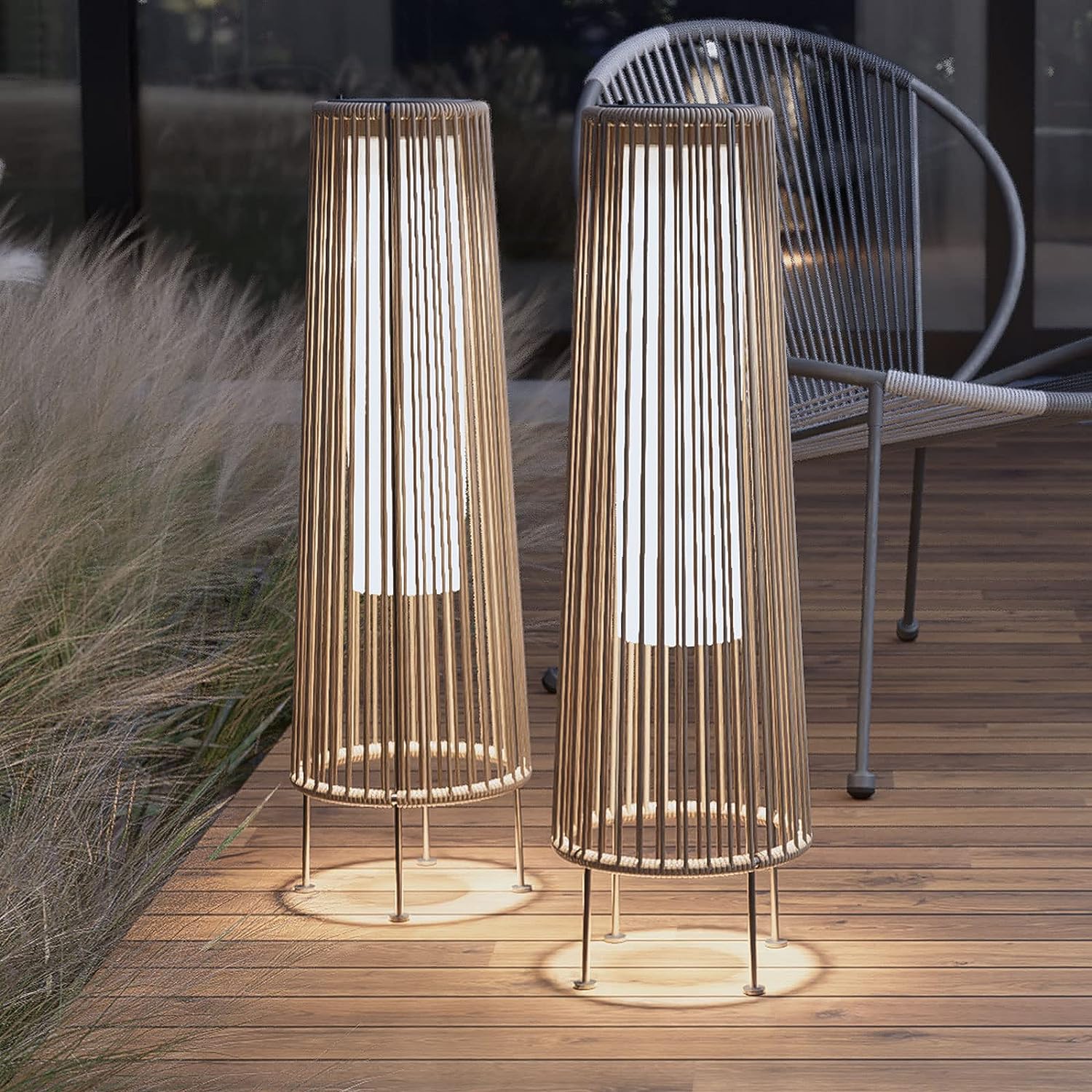
Lighting dramatically changes how patios are experienced after sunset. Rather than relying on a single fixture, designers layer multiple light sources to create depth and atmosphere. Lanterns, subtle path lights, and portable lamps help illuminate seating areas while highlighting surrounding textures and planting. Warm, indirect lighting is especially effective for outdoor spaces because it creates a relaxed environment that encourages people to linger outdoors long into the evening.
Comfort Patio Accessories That Encourage Outdoor Living
For patios to feel like true outdoor living rooms, they must offer the same comfort and usability found indoors. Designers often focus on seating arrangements, layered textiles, and supportive furniture that invite people to relax for extended periods. These elements transform patios from occasional-use terraces into everyday gathering spaces where people naturally spend time reading, entertaining, or simply enjoying the outdoors.
Deep Lounge Seating
Comfortable seating is the cornerstone of outdoor living. Deep lounge seating with generous cushions encourages people to settle in and spend extended time outdoors. Designers typically arrange sofas and lounge chairs in conversational clusters rather than lining furniture along edges. Weather-resistant fabrics and durable frames ensure the furniture can withstand outdoor conditions while still providing the comfort associated with indoor living rooms.
Outdoor Coffee Tables as Social Anchors
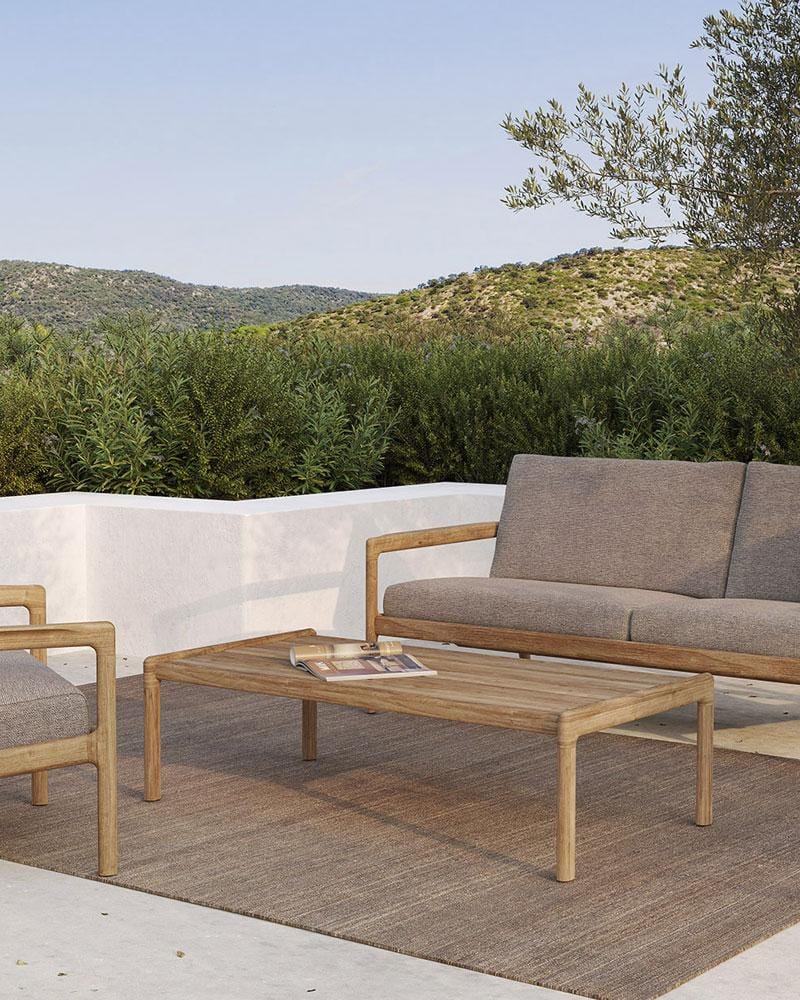
A central coffee table provides both practical function and visual structure within an outdoor seating arrangement. Positioned at the center of spaces, the coffee table becomes a gathering point where drinks, books, or decorative objects can be placed. Designers often select materials such as stone, teak, or concrete that introduce texture while complementing surrounding furniture and hardscape materials.
Side Tables That Support Everyday Living
Side tables may appear subtle, but they significantly improve the functionality of outdoor seating areas. Positioned next to lounge chairs or sofas, they provide convenient surfaces for drinks, lighting, or small decorative pieces. Designers frequently mix materials such as ceramic, wood, or powder-coated metal to add texture throughout the patio. These small elements help outdoor spaces function with the same ease as interior living rooms.
Outdoor Daybeds That Invite All-Day Living
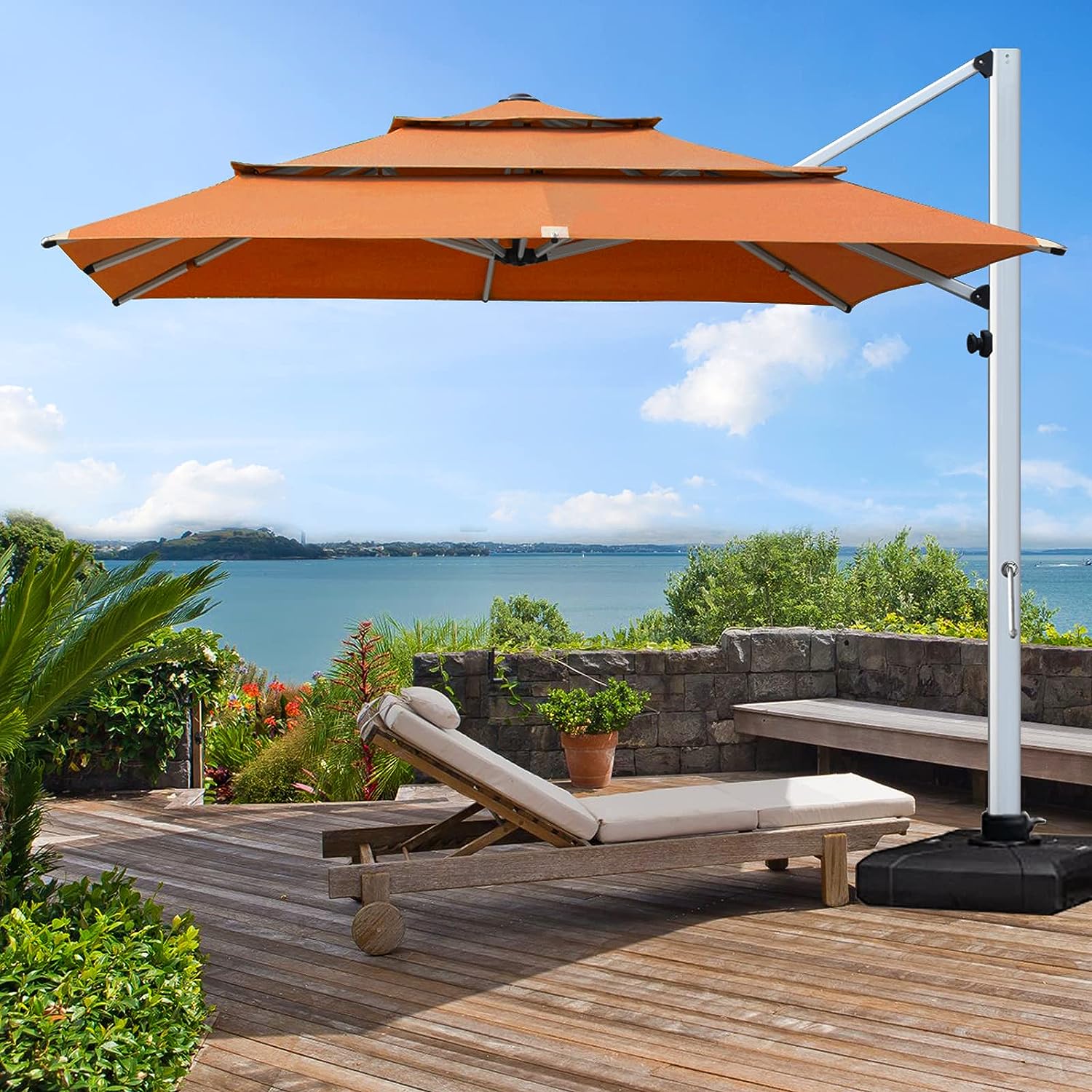
Outdoor daybeds introduce a slower, more relaxed way of inhabiting patios. Positioned near gardens, pools, or shaded corners, daybeds create comfortable places to stretch out, read, or nap outdoors. Designers often use them to establish quieter retreat areas separate from primary entertaining spaces. Large cushions and canopy-style frames encourage longer periods of relaxation and reinforce the feeling that the patio is meant for living, not just sitting.
Outdoor Pillows and Textiles
Textiles add softness and personality to outdoor seating arrangements. Weather-resistant pillows introduce color, pattern, and texture while making furniture significantly more comfortable. Designers often layer neutral fabrics with subtle patterns that complement surrounding materials rather than dominate the space. These soft elements help balance the harder surfaces commonly found in patios, creating a more welcoming and residential atmosphere.
Atmosphere Patio Accessories That Shape the Experience
Some patio accessories influence the emotional experience of the space rather than its physical structure. Fire, water, scent, and sound can dramatically change how outdoor environments feel and how people interact within them. Designers often use these atmospheric elements to create a relaxing backdrop that encourages conversation, relaxation, and extended time outdoors.
Fire Features That Draw People Together
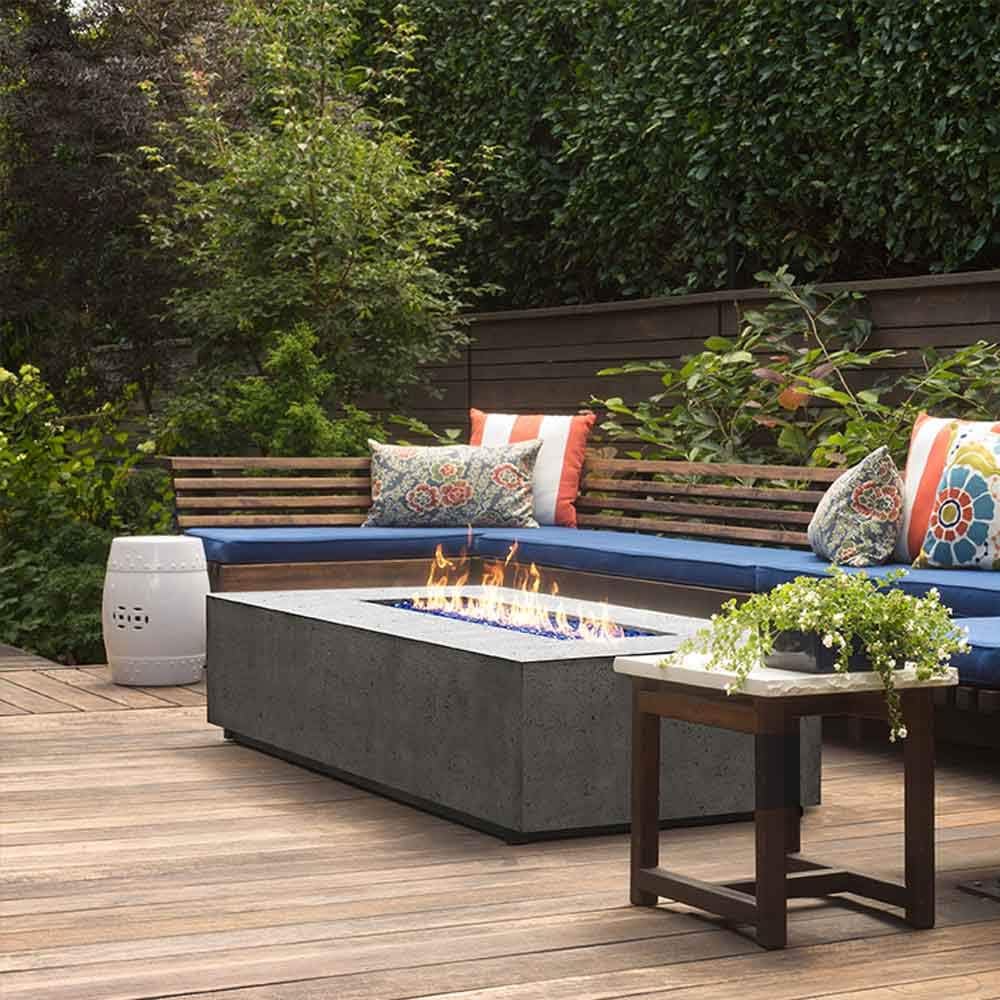
Fire features are one of the most powerful elements in outdoor design. Whether in the form of a sculptural fire bowl, linear fire trough, or sunken fire pit, flames naturally attract people and encourage conversation. Designers often position fire features at the center of lounge areas where they become the focal point of evening gatherings. The warmth and movement of fire extend the usability of patios into cooler seasons.
Outdoor Speakers That Shape the Mood
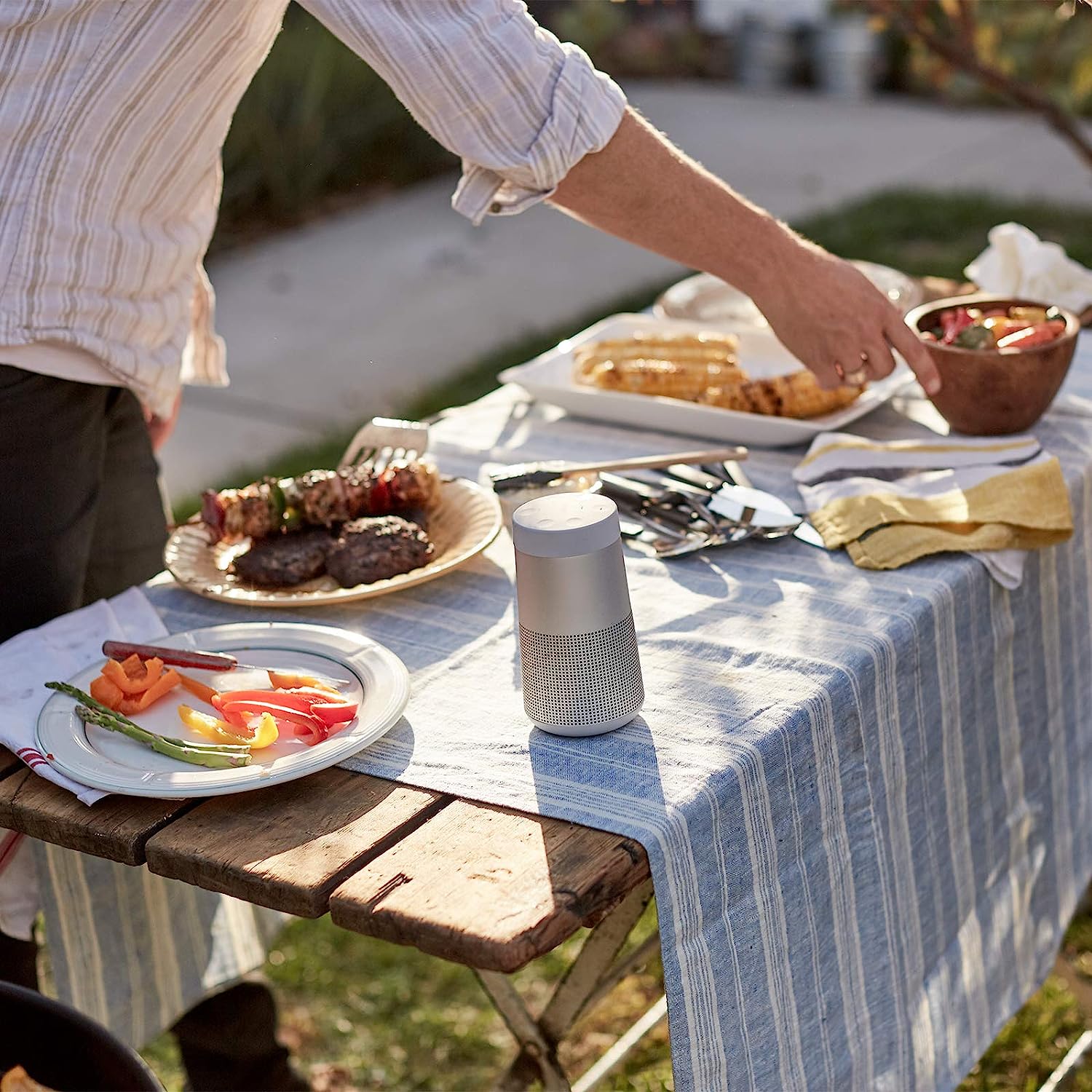
Music subtly influences how people experience outdoor environments. Discreet outdoor speakers allow homeowners to introduce background music during gatherings or quiet evenings outdoors. Designers often integrate speakers into planting beds or position them discreetly near furniture so they remain visually unobtrusive. When thoughtfully placed, outdoor speakers help reinforce the atmosphere of outdoor living spaces without dominating the design.
Lanterns and Portable Lighting
Portable lanterns provide flexible lighting that can easily be repositioned throughout a patio. Designers often place lanterns on tables, steps, or along pathways to create intimate pools of warm light. Materials such as metal, glass, and woven rattan complement a wide range of architectural styles. Because lanterns require no installation, they allow homeowners to experiment with lighting arrangements that enhance evening ambiance.
Fragrant Planting That Activates the Senses
Landscape designers often consider scent as an important part of outdoor environments. Fragrant plants such as jasmine, gardenia, lavender, or rosemary can subtly enhance the experience of spending time outdoors. When placed near seating areas or pathways, these plants release gentle aromas that engage the senses. Even small containers of aromatic herbs can transform the atmosphere of patios.
Water Features That Introduce Sound
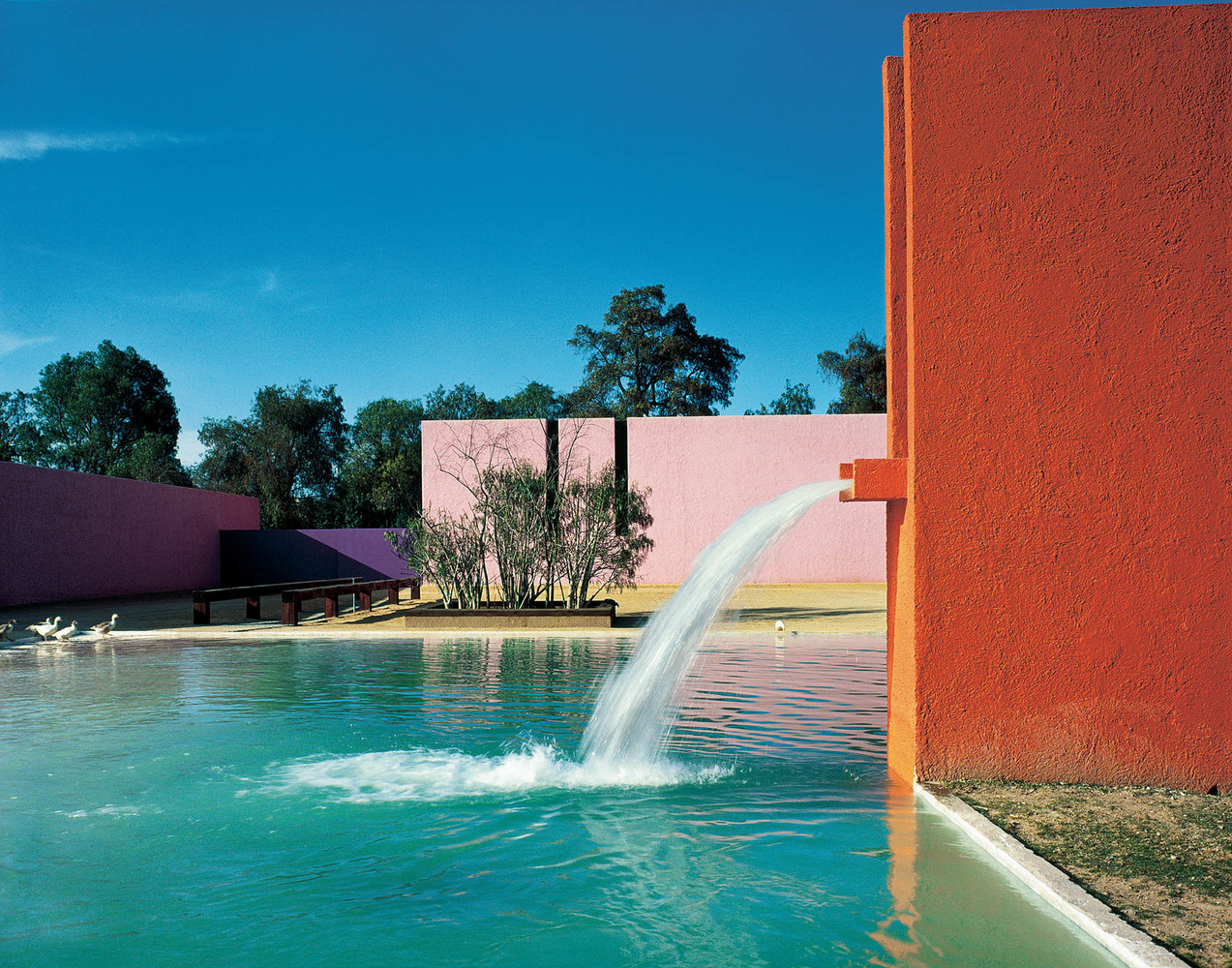
The sound of moving water can instantly transform the atmosphere of a patio. Small fountains, water bowls, or contemporary water walls introduce gentle background sound that softens surrounding noise. Designers frequently position water features near seating areas so the sound becomes part of the sensory experience of the space. Materials such as stone, ceramic, and metal allow water features to blend seamlessly into patio environments.
Shade and Structure Patio Accessories That Improve Comfort
Outdoor living spaces must also respond to environmental conditions such as sun exposure and heat. Shade structures and airflow solutions help make patios comfortable during warmer months while introducing vertical elements that define the architecture of the space. These features help outdoor environments remain usable throughout the day.
Umbrellas That Introduce Architectural Form
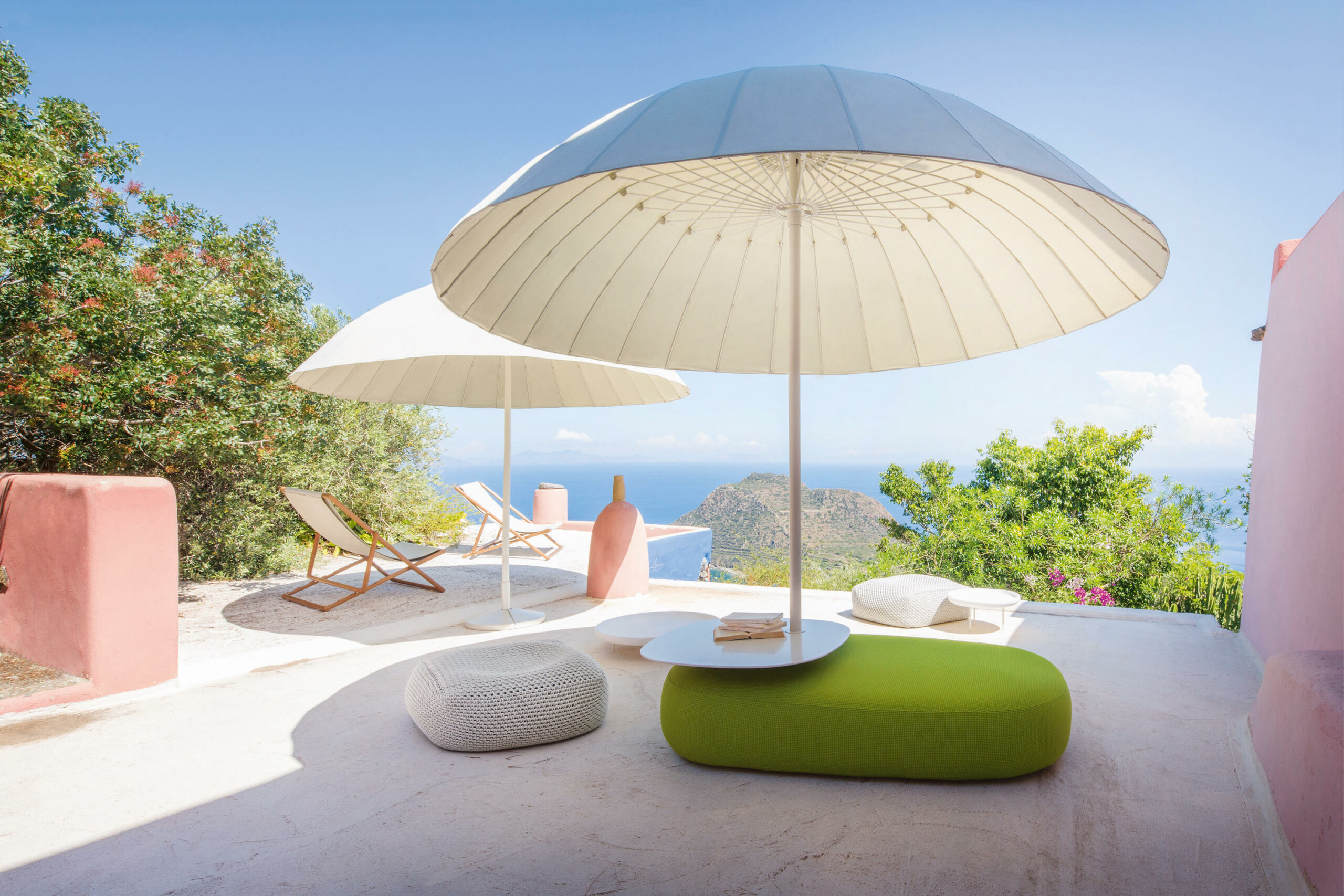
Large patio umbrellas provide flexible shade while introducing visual height to outdoor spaces. Designers often prefer cantilever umbrellas that extend over seating areas without obstructing furniture layouts. Neutral canopy fabrics paired with slim metal frames help umbrellas integrate seamlessly into modern patios. In addition to protecting from sun exposure, umbrellas contribute sculptural form that balances the horizontal surfaces of patios.
Pergolas That Define Outdoor Rooms
Pergolas add architectural structure that helps define outdoor living spaces. Even modest pergolas can frame lounge or dining areas and create a sense of enclosure within larger patios. Materials such as wood, steel, or aluminum allow pergolas to complement different architectural styles. Designers often incorporate climbing plants, lighting, or curtains into pergolas to soften their structure and enhance outdoor comfort.
Outdoor Curtains That Add Softness
Outdoor curtains introduce movement, shade, and privacy to covered patios or pergolas. Lightweight weather-resistant fabrics filter sunlight during the day while maintaining airflow. Designers often select neutral tones such as sand, linen, or white so the curtains feel light and unobtrusive. When gently moving in the breeze, curtains add a relaxed, resort-like atmosphere that enhances outdoor living spaces.
Outdoor Ceiling Fans That Extend Summer Comfort
Ceiling fans can dramatically improve comfort on covered patios by circulating air during warm weather. Gentle airflow helps reduce heat buildup while also discouraging insects. Designers typically choose minimalist fan designs with matte finishes that blend seamlessly into architectural structures. Beyond their practical benefits, ceiling fans introduce subtle movement that reinforces the relaxed feeling of outdoor environments.
Entertainment Patio Accessories for Gathering and Dining
Patios often serve as spaces for hosting friends, sharing meals, and celebrating special occasions. Accessories that support cooking, dining, and entertaining allow outdoor environments to function as social hubs. Designers frequently organize these elements into dedicated zones so the patio can accommodate both quiet relaxation and lively gatherings.
Outdoor Kitchens and Cooking Stations
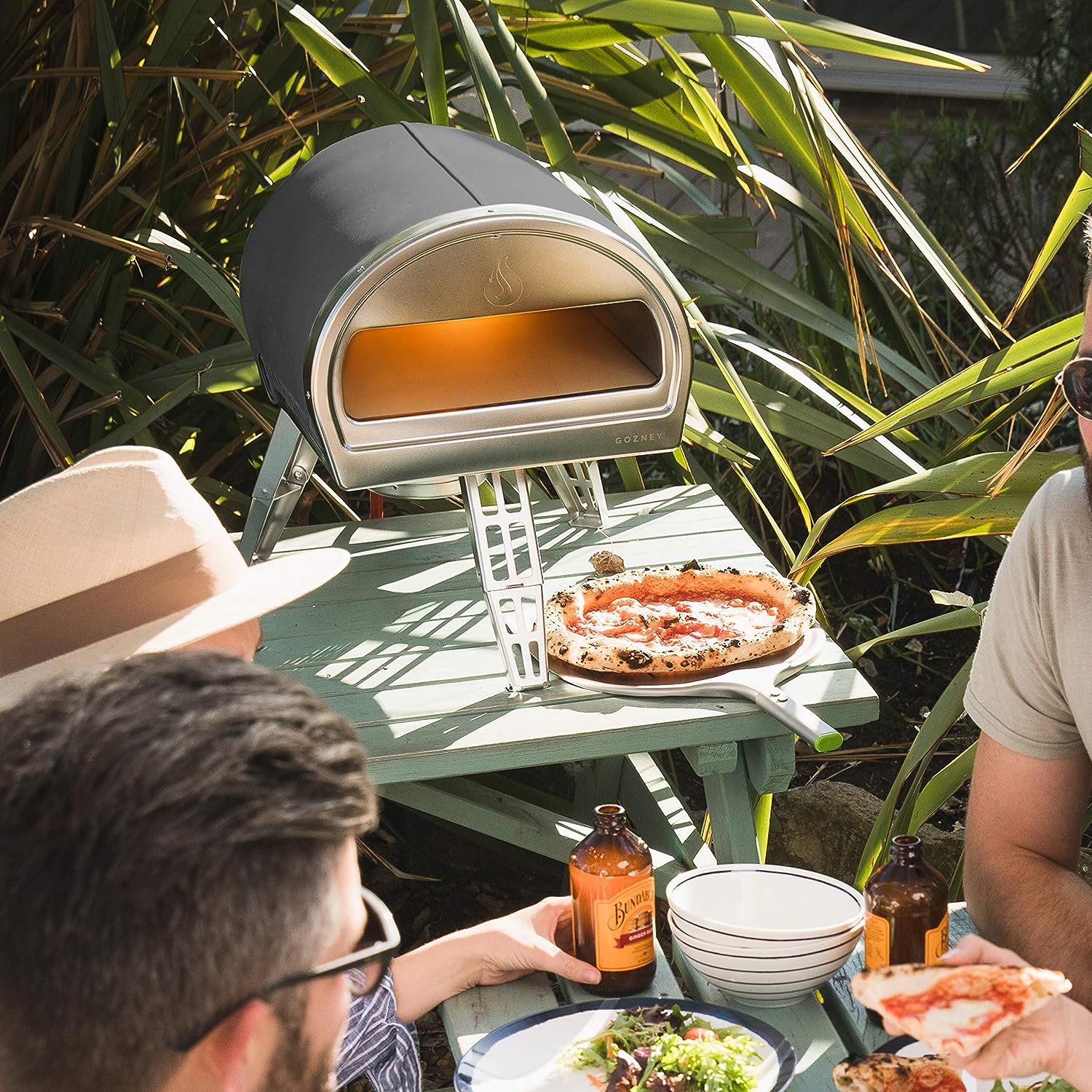
Outdoor kitchens transform patios into social gathering spaces. While pizza ovens are popular, designers often think more broadly about cooking areas that encourage shared meals outdoors. Compact grills, wood-fired ovens, or small prep counters allow hosts to remain part of the gathering while preparing food. Cooking outdoors naturally encourages conversation and creates memorable experiences centered around food.
Outdoor Dining Tables
Dining tables allow patios to support everything from morning coffee to evening dinners with friends. Designers often position dining areas slightly apart from lounge seating to create distinct zones within outdoor spaces. Durable materials such as teak, aluminum, or stone withstand outdoor conditions while maintaining a refined appearance. A thoughtfully placed dining table encourages people to linger outdoors long after meals are finished.
Bar Carts and Serving Stations
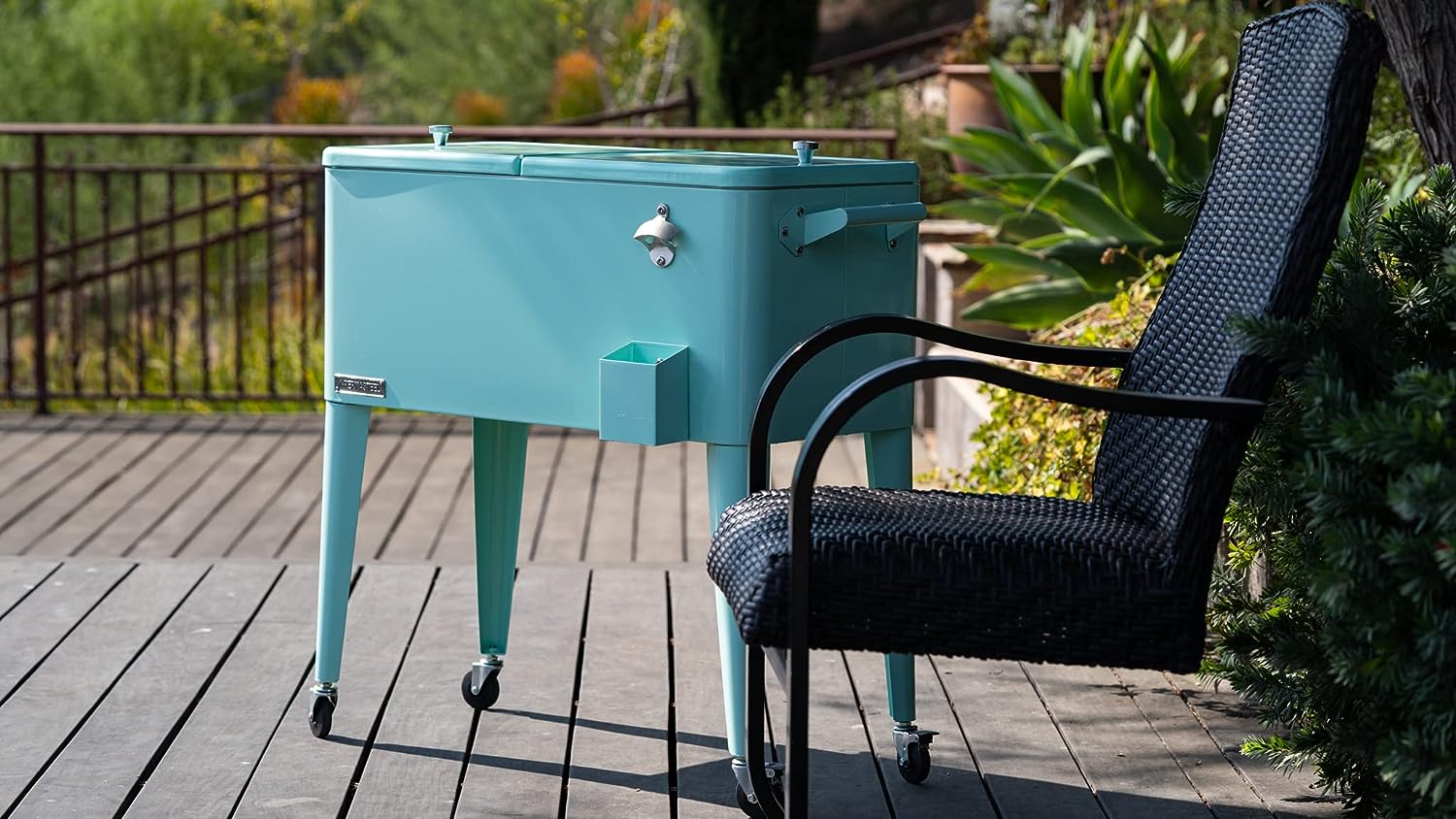
Mobile bar carts or serving stations provide a convenient way to support entertaining outdoors. These pieces allow drinks, glassware, and serving items to remain accessible without constant trips indoors. Designers often style bar carts with plants, bottles, and decorative objects so they function as both practical tools and visual accents. Their mobility also allows them to move easily between dining and lounge areas.
Decorative Patio Accessories That Add Personality
Once the essential elements of a patio are in place, designers often introduce accessories that reflect personal style and artistic expression. These finishing touches add individuality and visual interest while connecting the patio to the broader landscape and architecture.
Sculptural Garden Objects
Sculptural objects can act as focal points that bring artistic presence to patios. Materials such as stone, ceramic, or metal allow sculptures to withstand outdoor conditions while developing character over time. Designers often place these pieces where they catch light or frame views across the garden. Even a single sculptural object can elevate a patio from functional space to curated outdoor environment.
Outdoor Mirrors That Expand Space
Outdoor mirrors are an unexpected yet powerful design element for smaller patios or courtyard gardens. Positioned against walls or fences, mirrors reflect greenery and natural light, making outdoor spaces appear larger and more dynamic. Designers often choose weather-resistant frames that complement surrounding architecture. When thoughtfully placed, mirrors double the visual impact of planting and architectural details.
Modern landscape garden with mirrors that expand the space. See the project →
Outdoor Art That Anchors the Landscape
Art is rarely considered in outdoor spaces, yet it can dramatically elevate patio environments. Sculptural panels, ceramic installations, or metal wall pieces introduce a strong visual focal point that anchors the surrounding landscape. Designers often position outdoor artwork where it aligns with interior views from the home, allowing art to visually connect indoor and outdoor spaces.
How Designers Layer Patio Accessories
Professional landscape designers rarely rely on a single accessory to transform a patio. Instead, they layer multiple elements to create outdoor spaces that feel comfortable, balanced, and visually rich. This process begins with foundational pieces such as furniture and rugs, which establish the primary layout of the patio.
The next layer introduces vertical elements like planters, umbrellas, or pergolas that add height and help define different zones. Lighting and fire features create atmosphere and extend the usability of the patio into the evening hours. Finally, softer accessories such as pillows, lanterns, and decorative objects introduce texture and personality. By layering accessories thoughtfully, patios evolve from simple paved surfaces into complete outdoor living environments.
How to Choose the Right Patio Accessories
Selecting the right patio accessories involves balancing aesthetics, functionality, and durability. Designers often begin by considering how the patio will be used. Spaces intended for entertaining may prioritize seating, lighting, and cooking elements, while quieter patios might focus on comfort and relaxation.
Scale is another important factor. Accessories should feel proportionate to the size of the patio and surrounding furniture. Oversized planters or umbrellas can overwhelm smaller spaces, while accessories that are too small may appear visually insignificant.
Material durability also plays a crucial role. Outdoor environments expose furniture and accessories to sun, moisture, and temperature changes. Selecting weather-resistant materials such as powder-coated metal, teak, concrete, and synthetic textiles helps ensure longevity.
Finally, accessories should complement the architectural style of the home and surrounding landscape. Consistent materials, colors, and forms help unify the patio with the broader outdoor environment.